A Letter of Transparency - 6/28/2026
Hello,
I’m Isaac Ahmado, but I’m sure you all know me better as the man behind Luduvo. Ever since I was a child, I’ve been fascinated by the world of User-Generated Content. It’s truly mesmerizing, and it’s something I hold incredibly near and dear to my heart. I recall when I was 9 years old, I wrote a letter to Roblox HQ detailing how amazing I found their platform, and how it led me to create connections and memories with other people that completely changed my life. I recall at that very moment, while writing that letter to Roblox, I decided I was going to work in this industry. I wanted to be a part of the very platform concept that had created so many beautiful memories for me.
Shortly after, I found Rec Room. For those who might not be fully familiar with what Rec Room was in its early days, it was truly a place where I felt a sense of community and cohesion in the UGC industry that couldn’t be found anywhere else.
As I grew into my late teenage years, I realized just how unethical and disconnected some of these large corporations can be. They rarely seemed to truly value their player base, sometimes turning a blind eye to issues affecting hundreds of thousands, if not millions, of people across the globe. I was frustrated; I hated how UGC platforms, one of the most fascinating ideas in all of tech, were being run by entities that didn’t seem to prioritize the players. After much reflection, I resolved that if I wanted to see the novel idea of UGC done right, I would have to build it myself.
After developing the concept for a UGC platform that truly values community and prioritizes the opinions of the many rather than just the few, Luduvo was born over 300 days ago. I imagined Luduvo not just as a standard company, but as its own world. And wow, I was not ready for the rollercoaster that was about to begin!
Now admittedly, I was no programmer. I was at least self-aware enough to realize that even if I spent four years learning C++ and other advanced tools, I’d never be able to create such a product in a reasonable amount of time, nor could I build something that would truly live up to my vision on my own.
Back then, I had very few connections with experienced programmers, so I was stumped. That is, except for someone named Matthew. I had spoken with him many times before, and he had helped me with small projects in the past. I knew that if I wanted to turn Luduvo into an actual reality and not just a concept in my mind, I would need Matthew’s help.
So, I pitched the idea to him. I told him about my frustrations, my hopes, my aspirations, and my resolve to create a UGC platform unlike anything built before. Before I knew it, Matt was on board. I didn’t expect things to move so rapidly, but Matthew instantly got to work. He respected my vision and deeply resonated with why Luduvo had to be made, no matter what.
Now, back then, Luduvo wasn’t called Luduvo; it was Ludor, which means “game” in Latin.
I wrote a thesis statement for what Ludor was meant to be, and I find it very interesting to look back on now:
“In the modern digital world, everything feels inauthentic, especially radically user-generated platforms such as Roblox, Rec Room, and VRChat. A common issue with these platforms is that they simply aren’t made by genuine people with an eye for moderation or a true understanding of community. The concept of Ludor is a UGC gaming platform that feels special, offering that spark of magic found in original games. It is simply about making a world of fun.”
Here’s some neat early logo and wordmark concepts created by Matt.

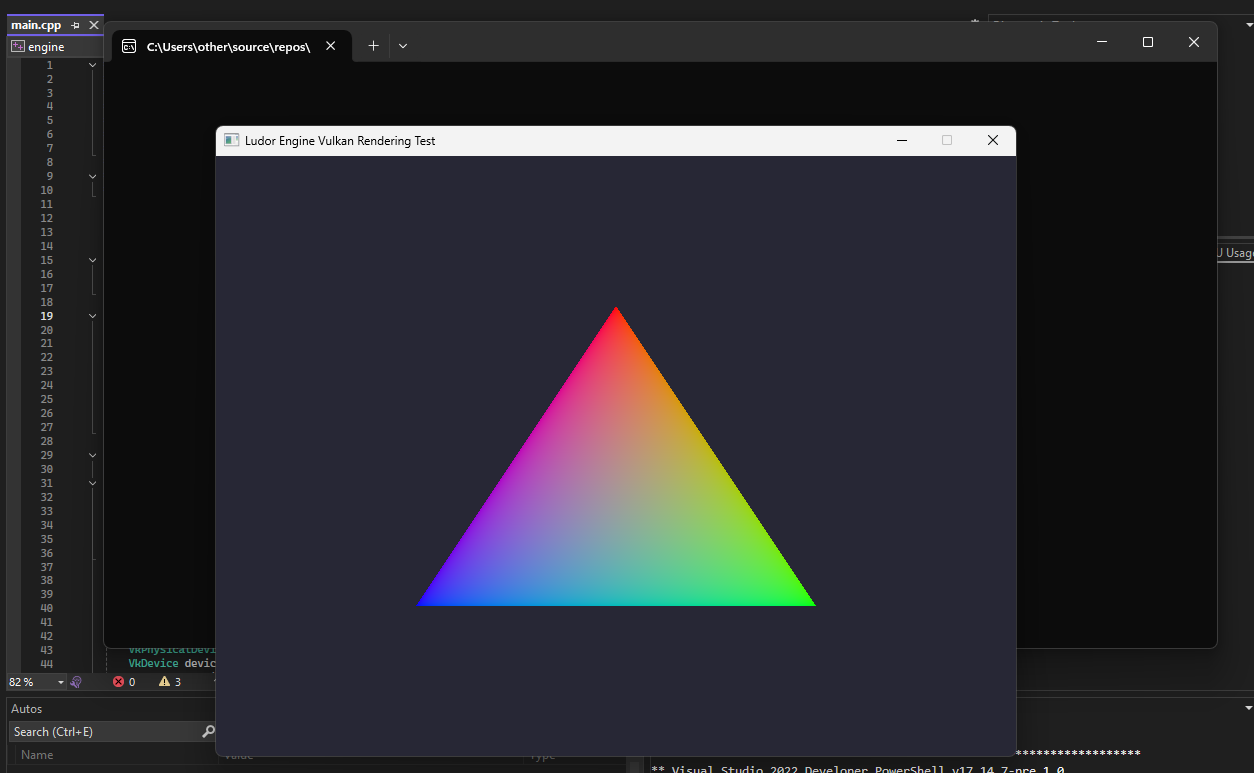
There was also a short period where Matthew, a frontend developer, attempted to create Luduvo’s game engine himself, although he didn’t get very far. Still, it’s wonderful to look back on and see the earliest roots of what would become Luduvo.

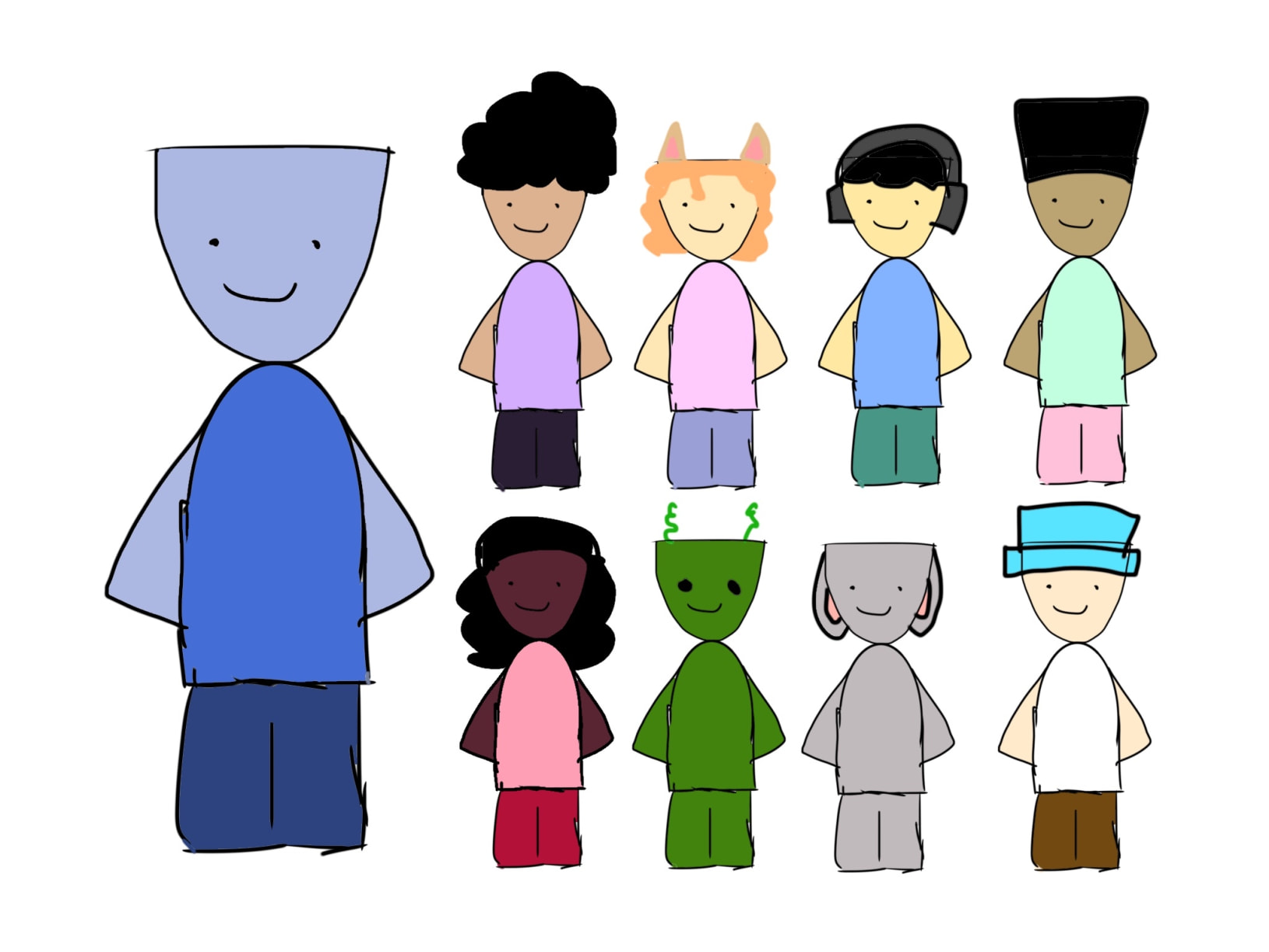
We even had these old player concepts made by Tris before he left Luduvo shortly after. While they weren’t the most polished drawings, I’d argue that intention and spirit are what matter most in creative projects.
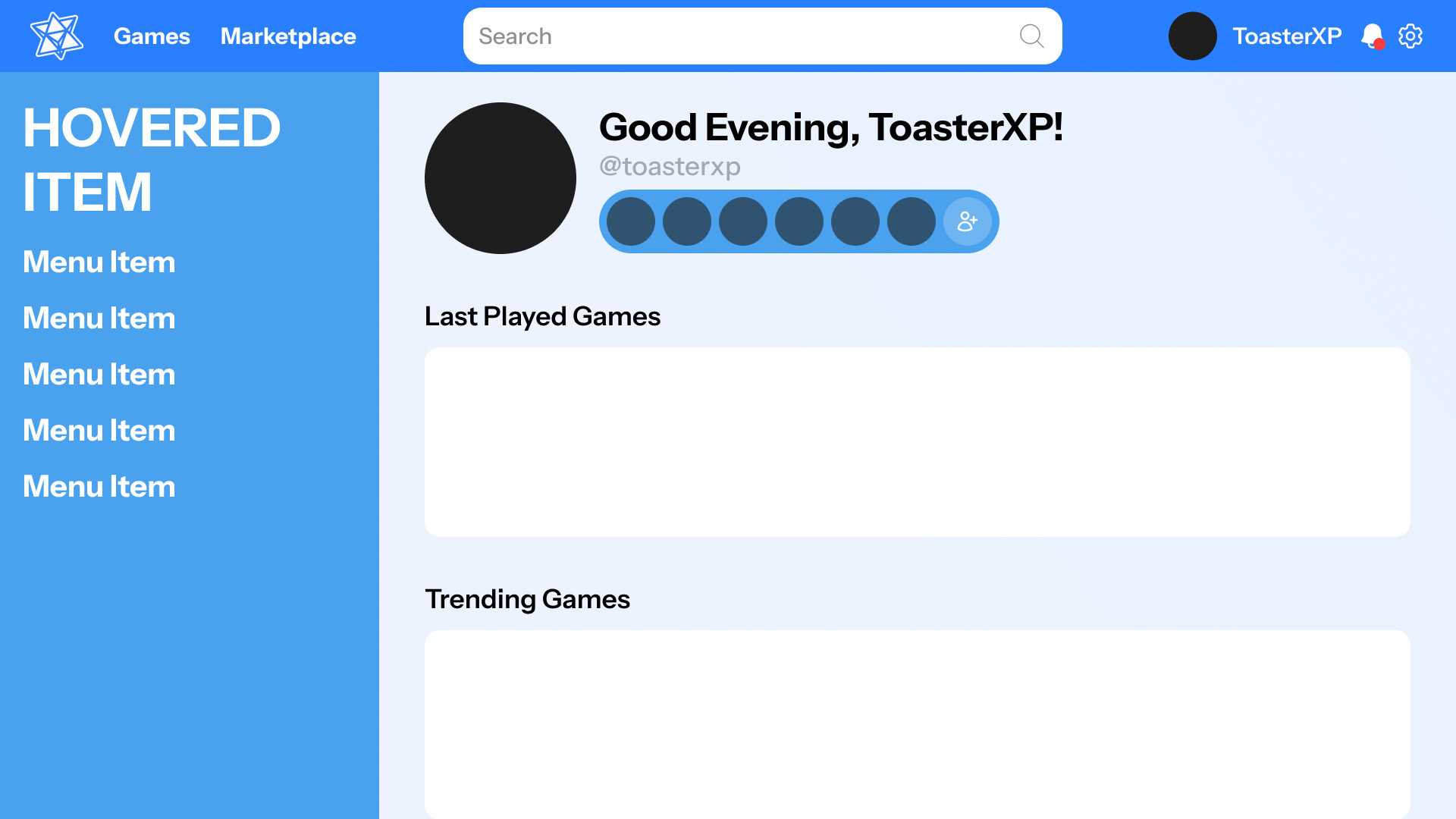
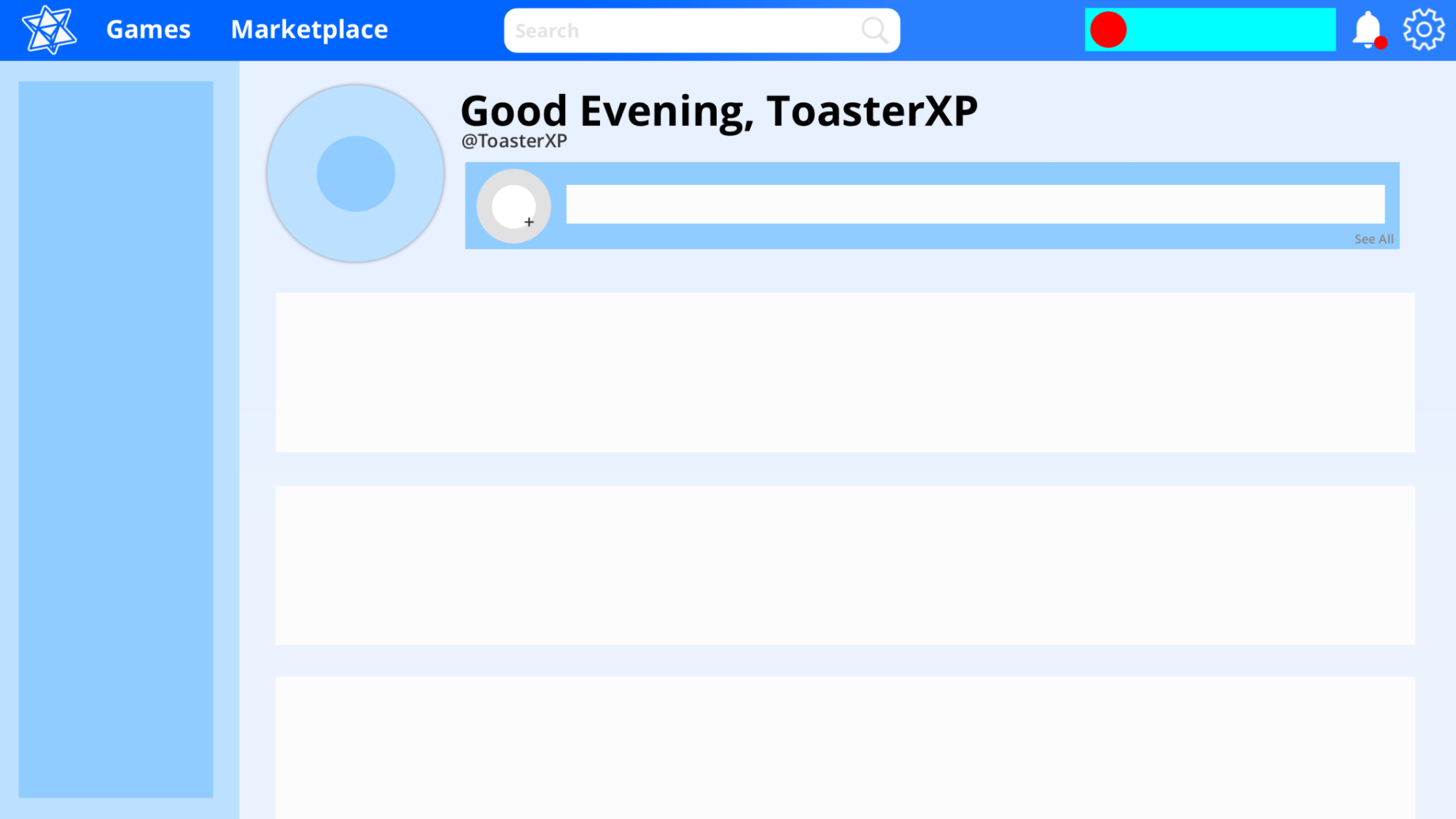
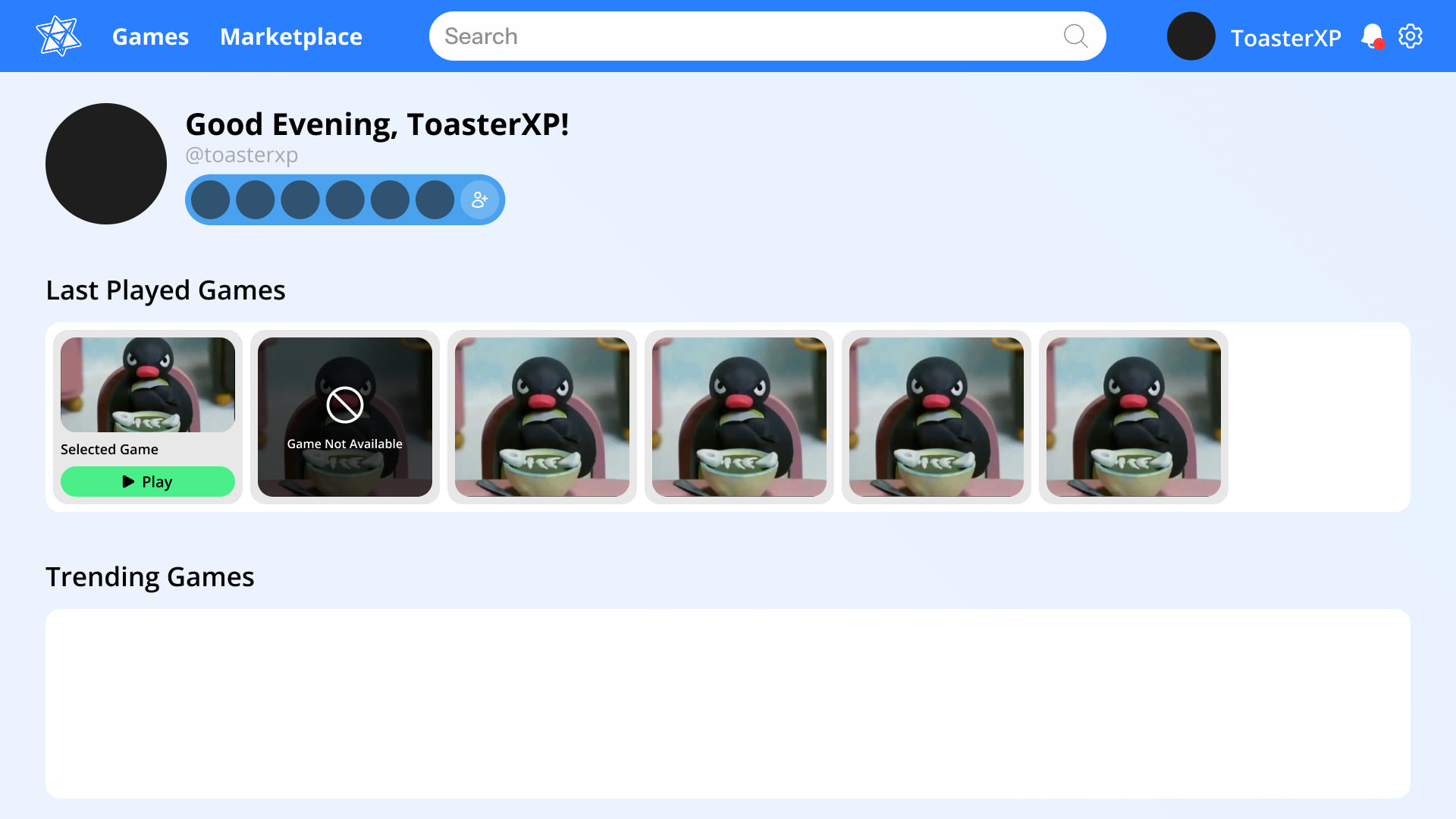
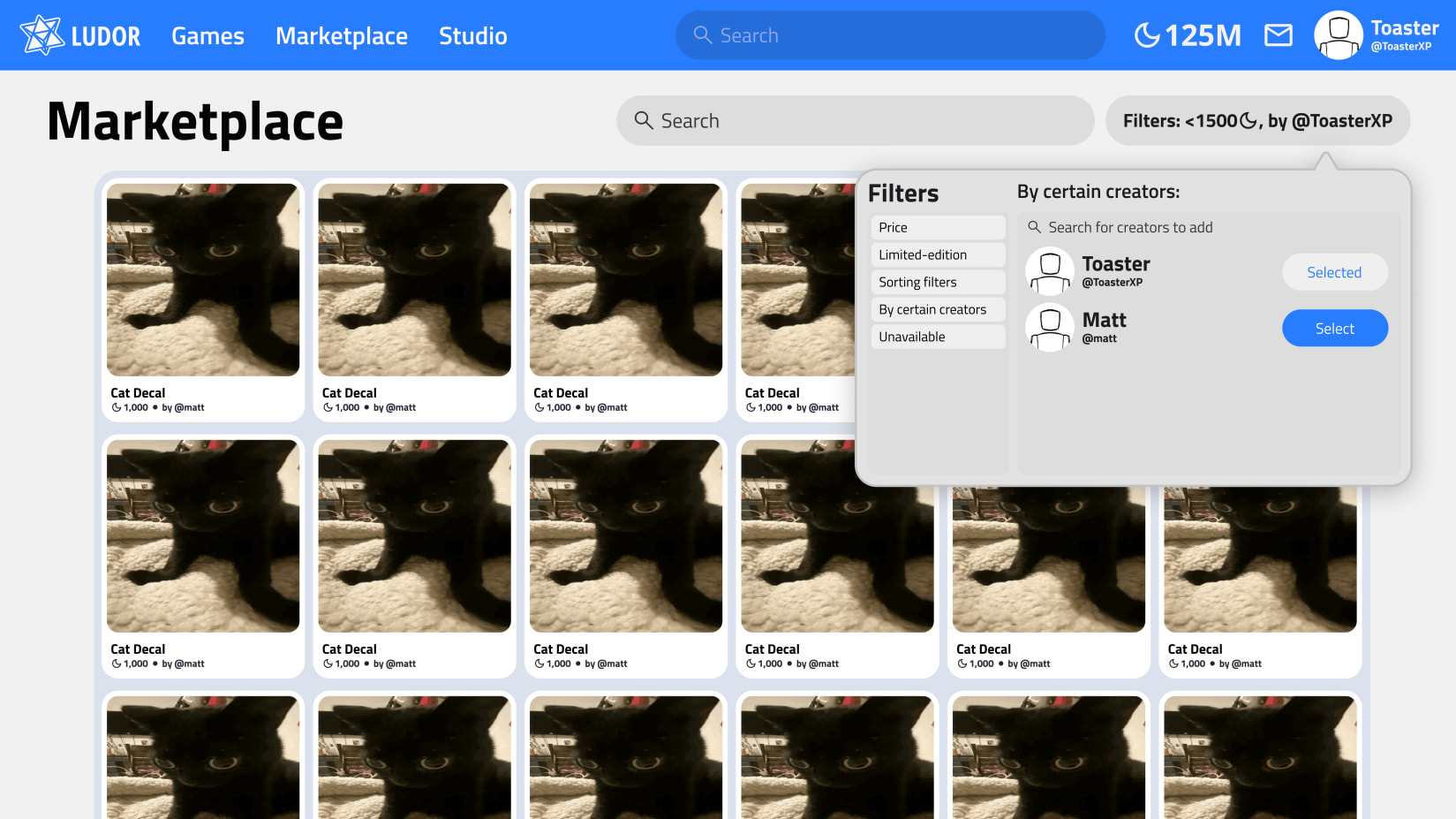
That being said, what really shone was Matt and Tris’s early concepts for the Luduvo website.
Then, I recall vividly researching other platforms to understand the competitive landscape in the UGC industry. That’s how I found P#lytoria. I went to P#lytoria in early October to see where our competitors stood and to learn what we would need to focus on to truly win over the industry.
There was a specific game, I believe it was named “Dodge the Polish Eggs of Doom”, and it was one of the only games on P#lytoria with active players at the time. It was around 5:30 PM when I joined out of curiosity, and there, I met a user named Iglx.
Because I’m deeply interested in the business and operational side of things, I asked him what he thought of the platform to see where Luduvo could improve upon those pain points. I truly wanted, and still want, Luduvo to be better than any platform that came before it. He shared his thoughts on what he found novel, and I remember happily taking notes.
Then I told Iglx about Ludor, and how it was going to completely revolutionize the gaming industry. He was intrigued, though nothing came of it immediately. Then I asked the question that would completely change both of our lives. I don’t recall exactly what prompted me to ask, but I asked him if he knew anything about game engines, since at this point, Matthew had decided to focus his efforts entirely on frontend development rather than building the engine.
Before long, I learned a lot about Iglx. He was exceptionally talented and exactly the type of person I wanted to work with. I asked him for his Social Media, where I saw his real name: Igor.
Interestingly, I also learned that Igor was working on his own project, though it was more of a Roblox revival than a completely standalone UGC platform. Its name was Freeblocks, and the domain it was hosted on actually now redirects directly to Luduvo! (You can check it out at https://freeblocks.net/).
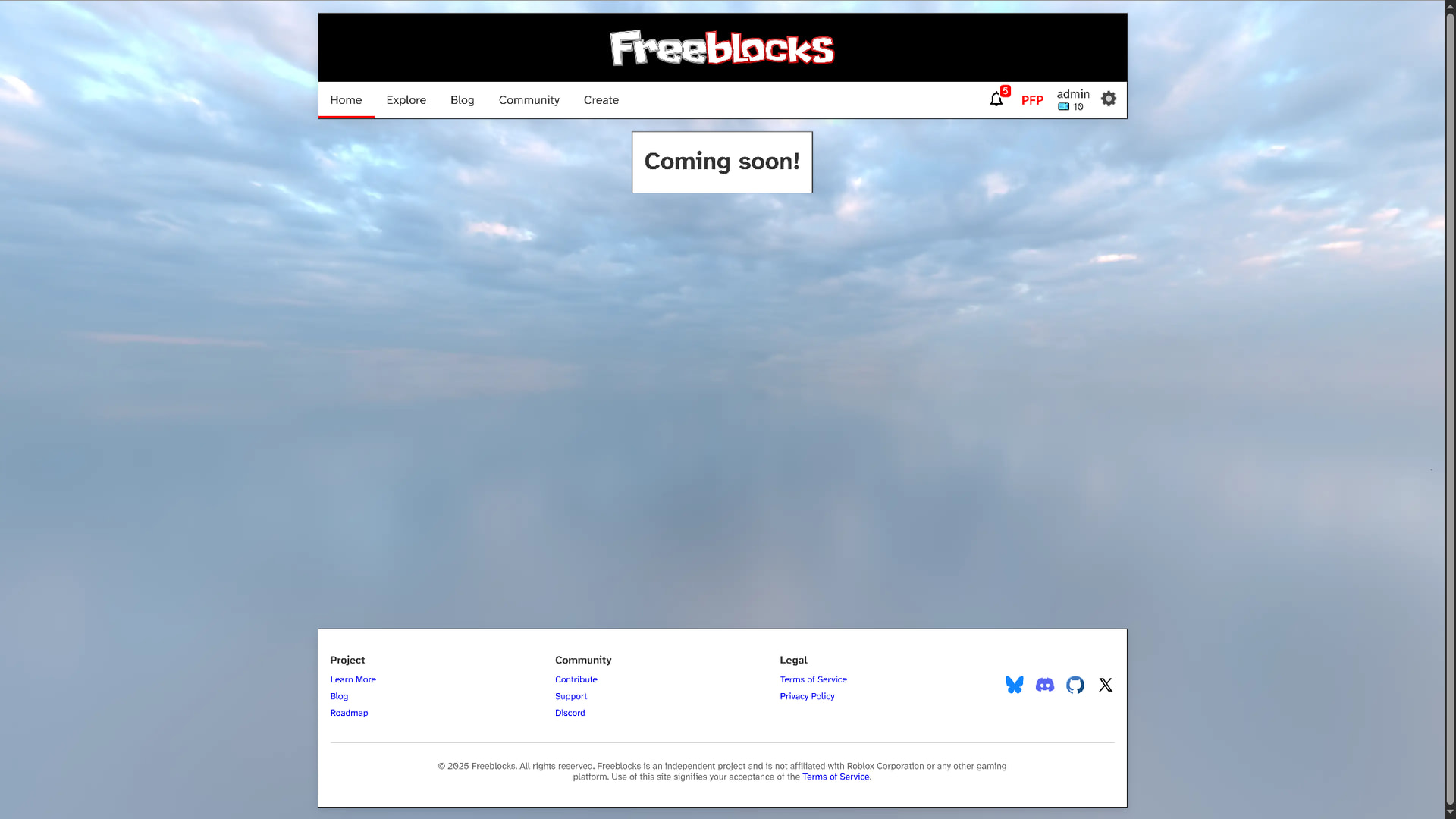

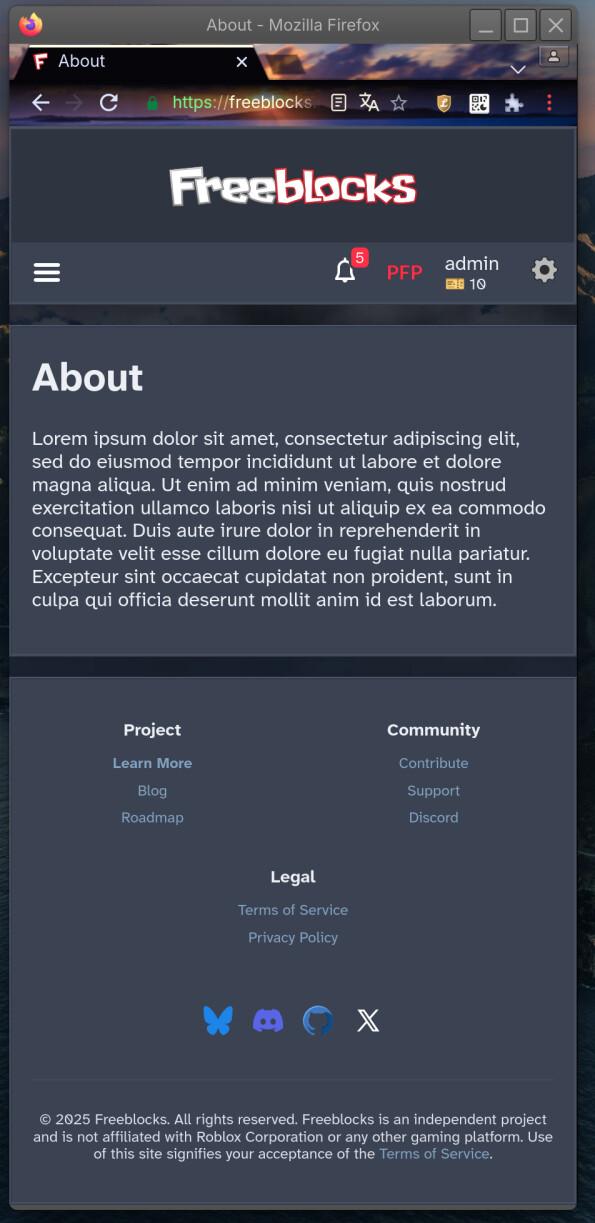
It didn’t have a full client yet, but it was definitive proof that Igor shared that same deep, relentless urge to create a community-driven UGC platform that had resonated with me for over a decade.
If you recall me calling my start with Matt a rollercoaster, consider this the part where the rollercoaster gained a mind of its own and started zooming at 500 miles per hour.
It’s truly amazing to look back and see how much progress has been made in less than a year.
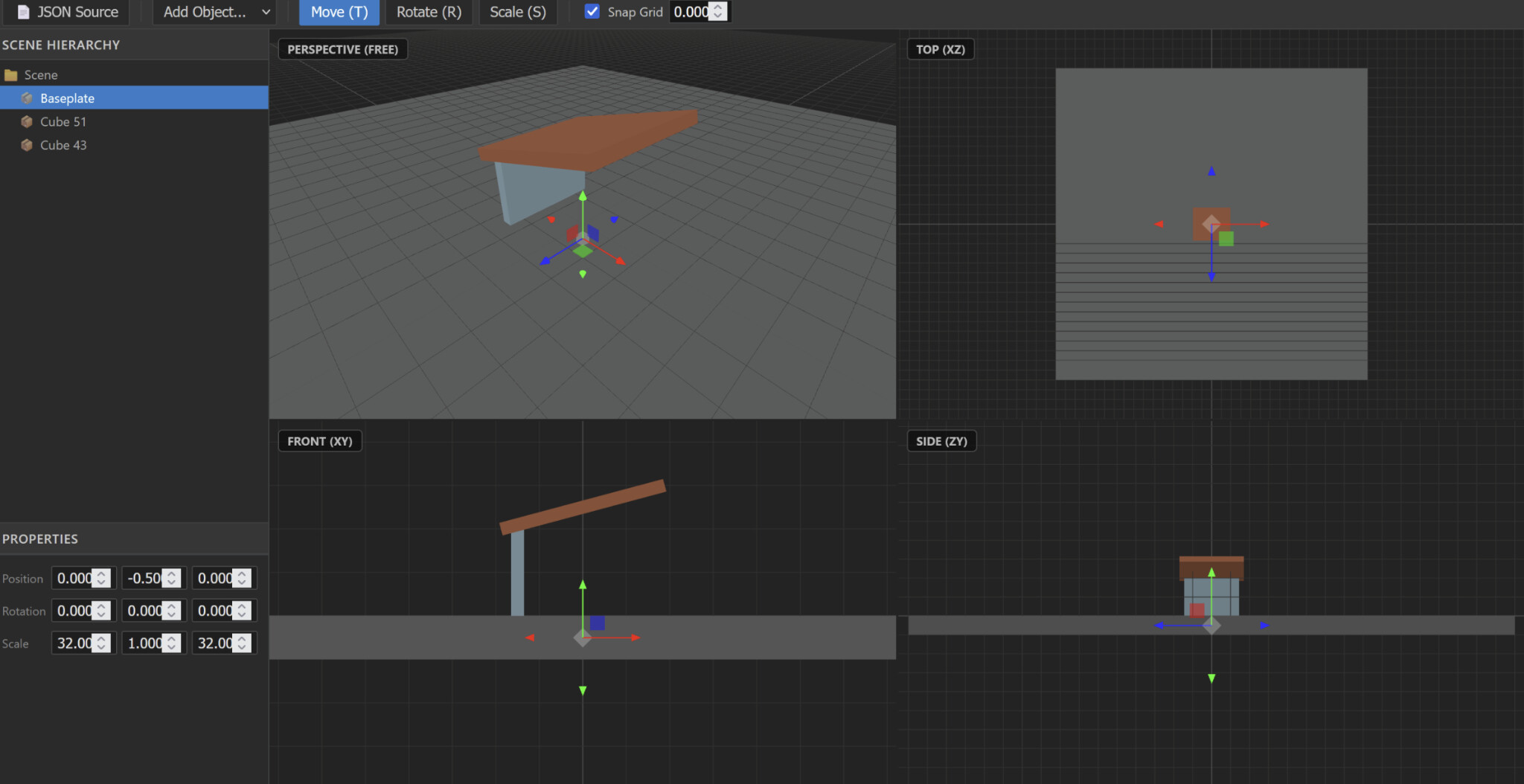
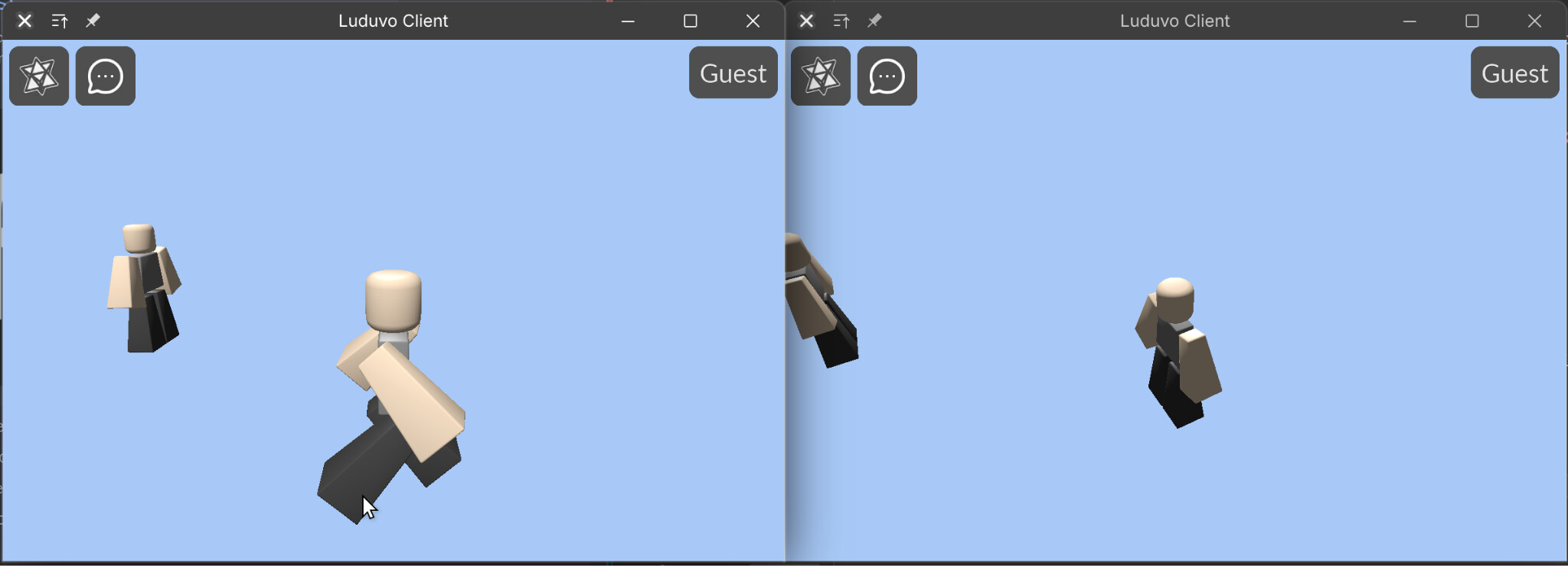
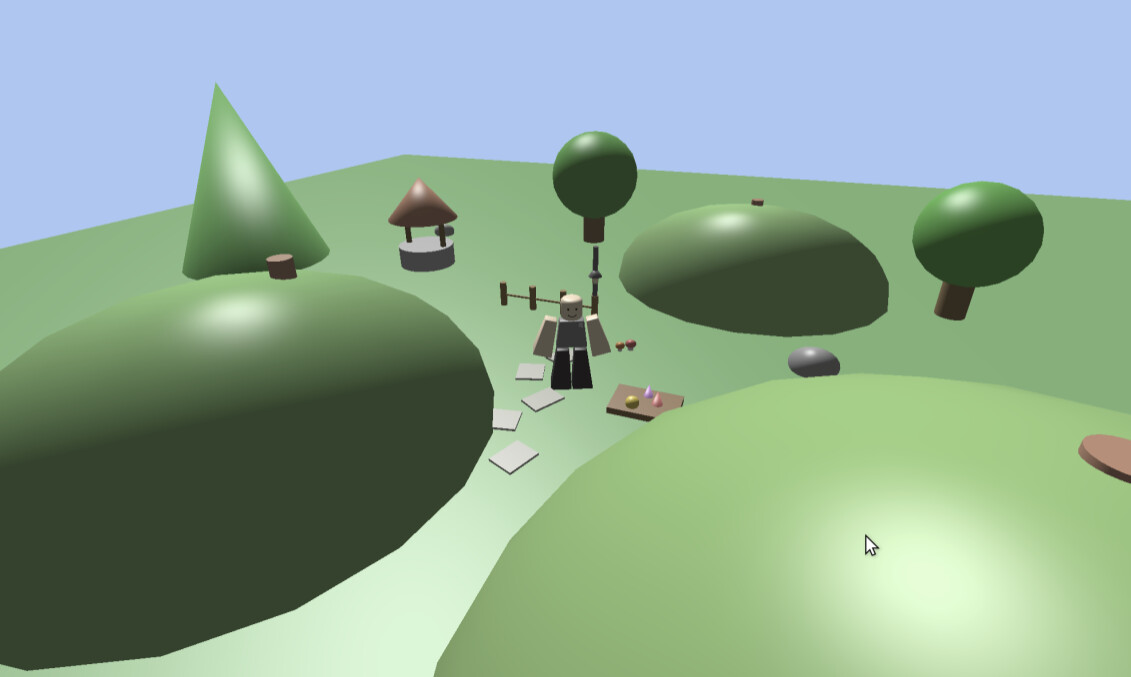
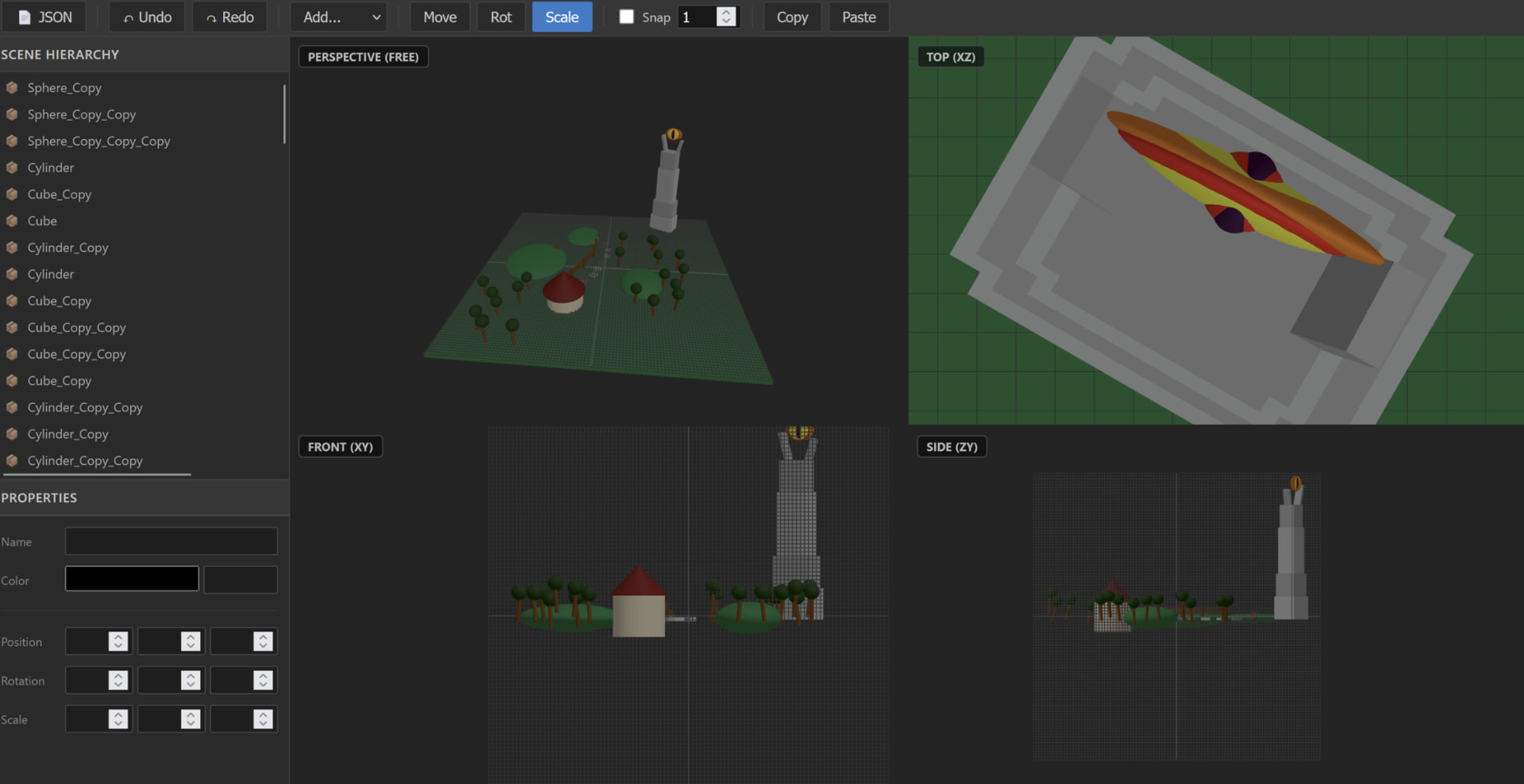
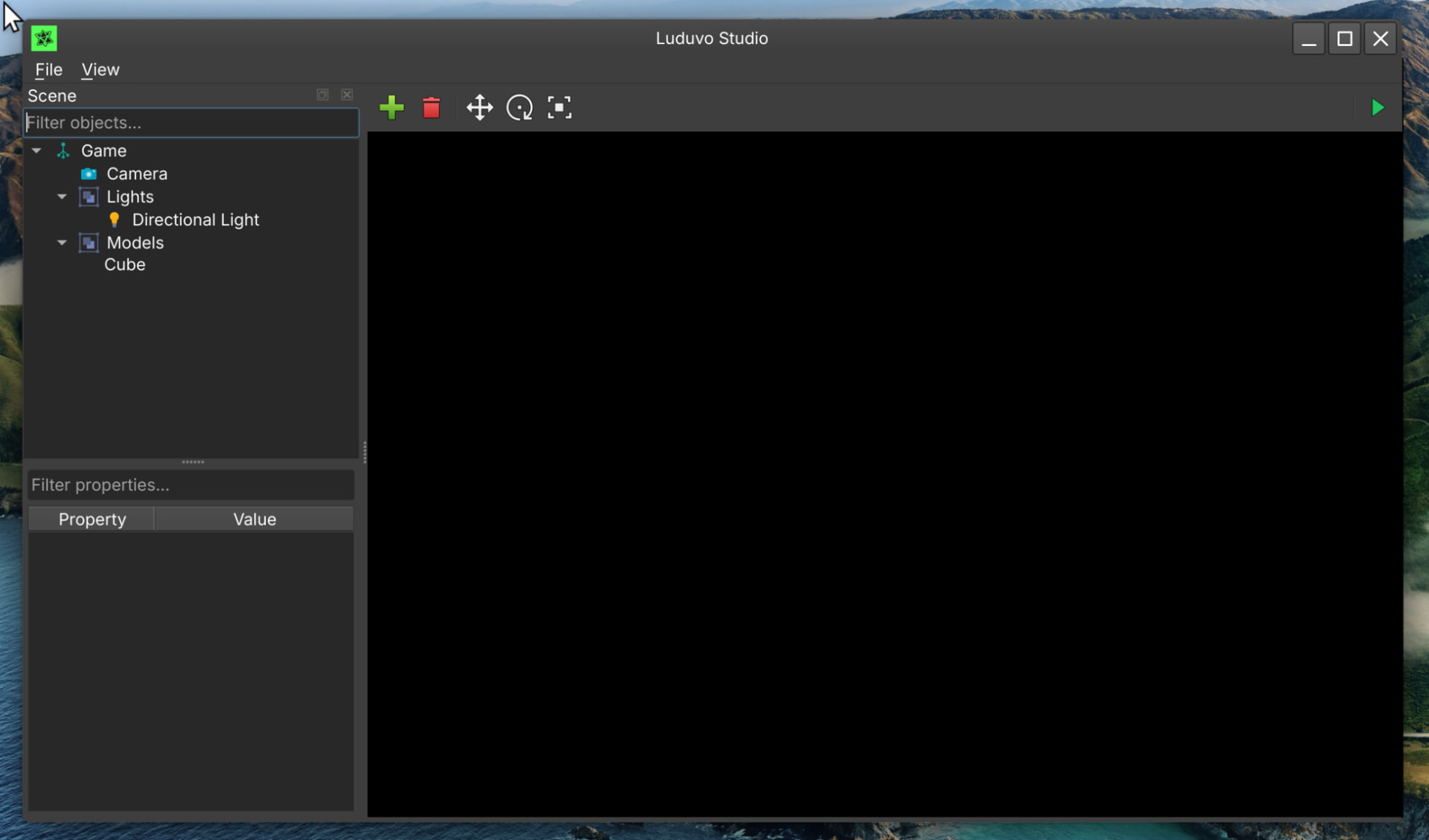
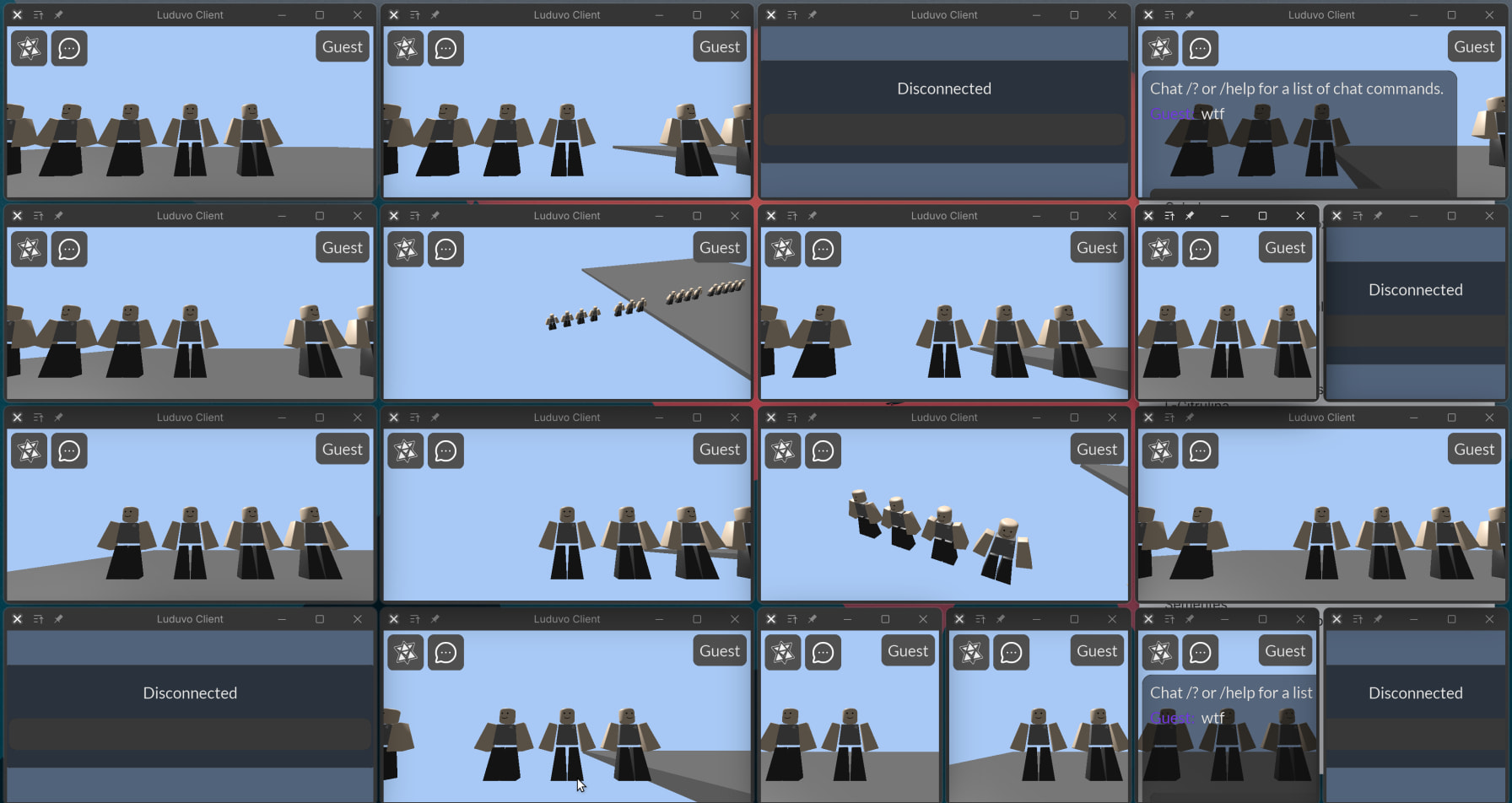
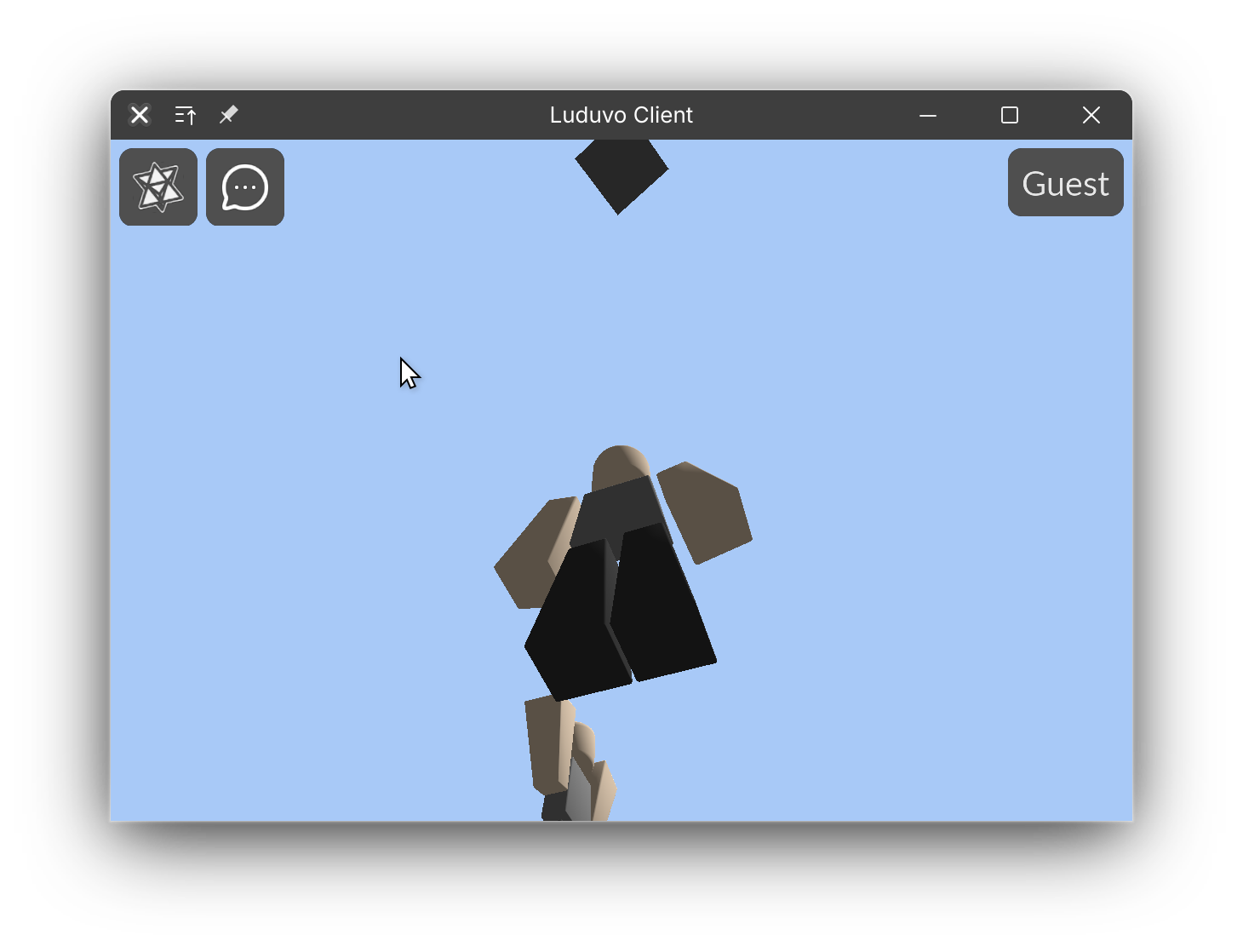
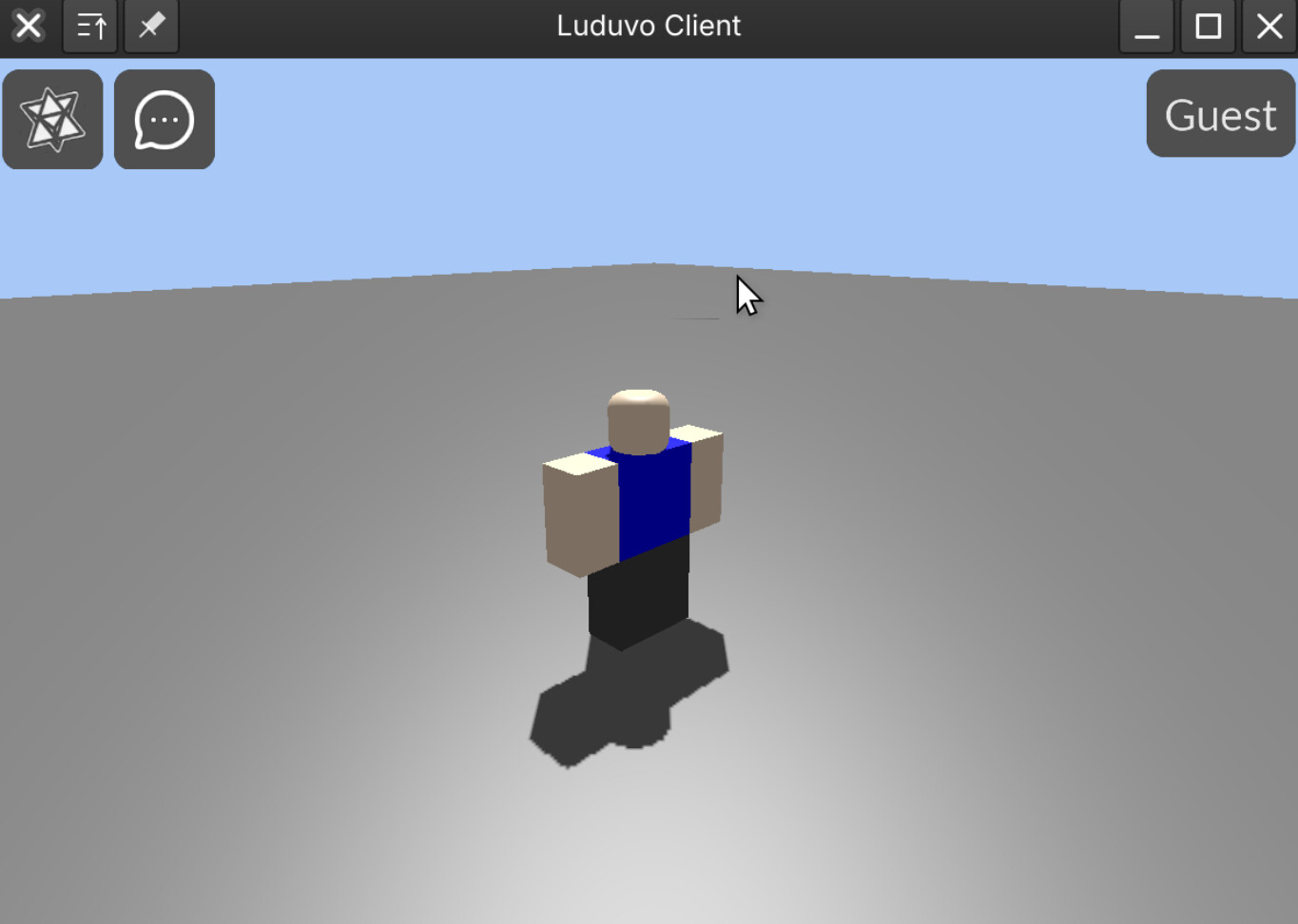
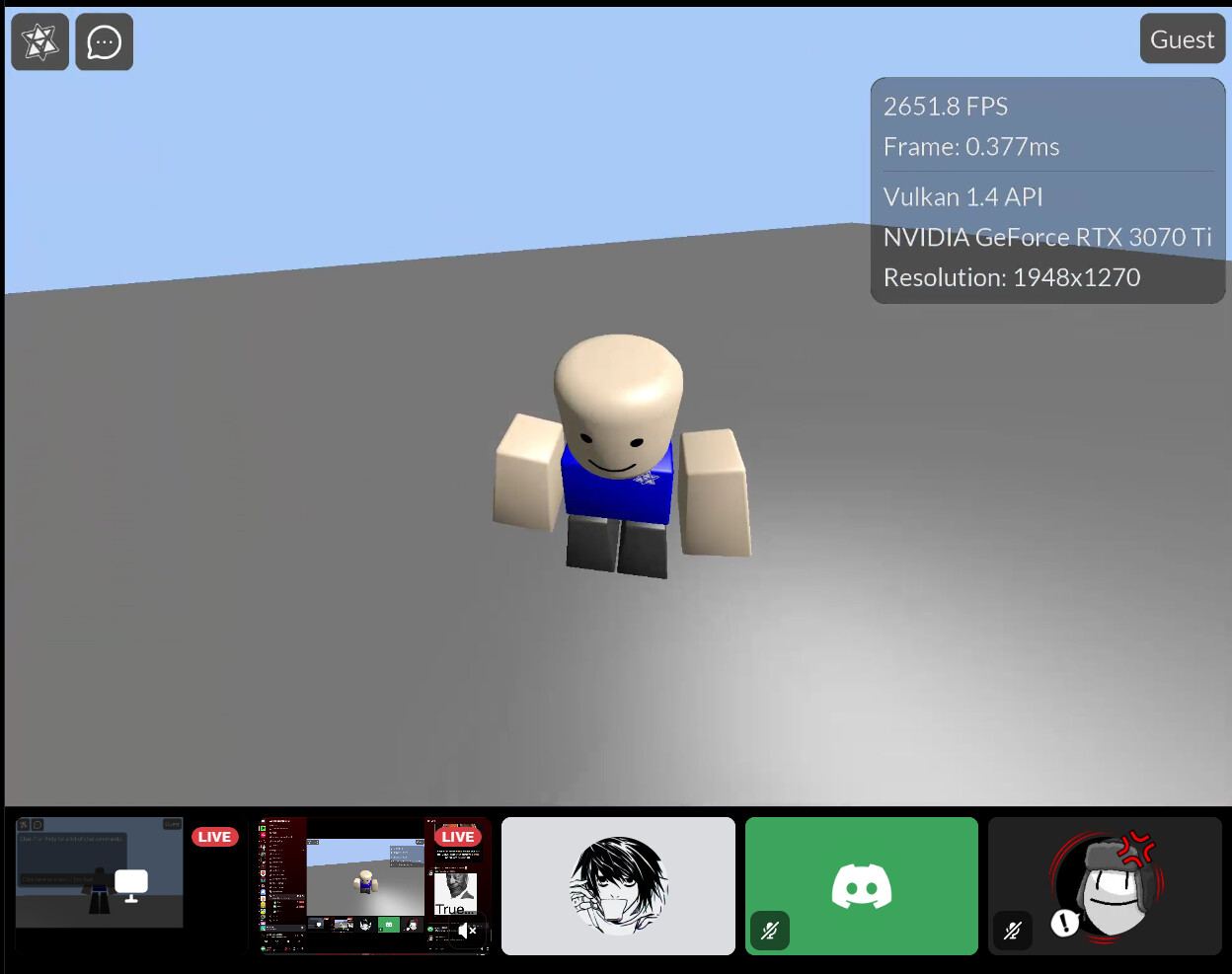
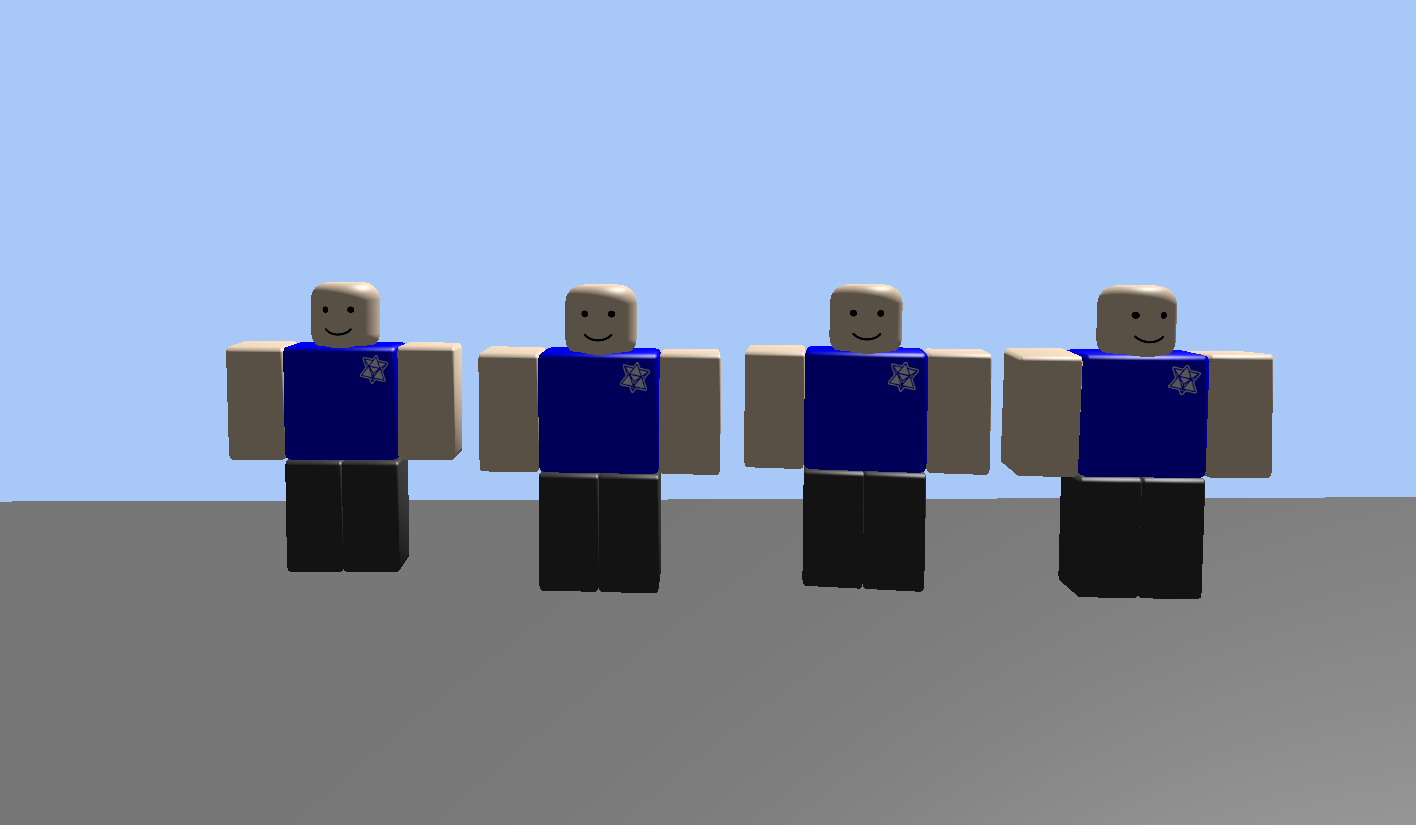
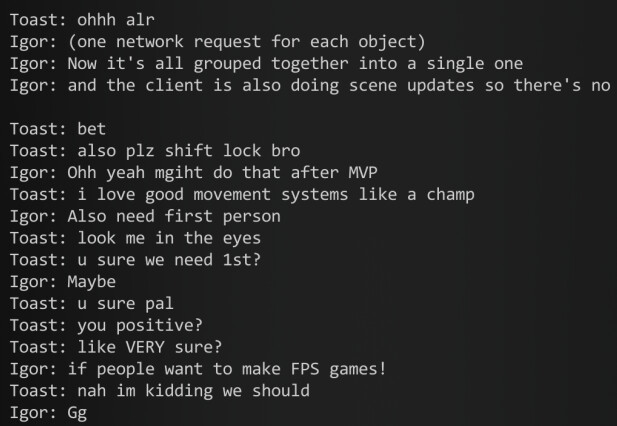
Igor also pitched an old chibi-styled avatar which was soon scrapped, but it’s still great to look back on.

Then we started to scale, and rapidly at that. We started welcoming new team members left and right; I met John-Paul, Nikhil, Mrkbx, and so many more. We eventually reached a point where the entire staff team was working day and night just to ensure the vision of creating a superior UGC platform would come to fruition (To be fair, we still work day and night. Nobody on the team knows what sleep is). We gained funding, we worked hard, we laughed, but most importantly, we all shared the same absolute resolve to create something awesome.
Then, Luduvo started to gain an incredible amount of traction very quickly. I’m forever grateful for the momentum that sparked all this growth. It goes to show how deeply desired a UGC platform built by the community, for the community, truly is.
However, with constant hard work comes the reality of burnout. In February, Matthew left the Luduvo team. We remained on good terms, but it was definitely disheartening to see someone who had contributed so much to Luduvo early on move on before seeing the full fruits of his labor. Regardless, at this point, Luduvo had become bigger than just the core team; it had grown into a beautiful community of people all over the world. But I knew I didn’t have time to slow down, because every single day matters when it comes to helping Luduvo survive and thrive. So we kept scaling, we kept growing, and it felt like we were unstoppable!
Then, the rose-tinted glasses shattered. As the community kept growing at such a rapid pace, we always strove to engage with you all and be as transparent as we possibly could be. However, there are thousands of you, and only a dozen of us. As we scaled, it became increasingly difficult to speak with everyone individually. I noticed firsthand that some community members started to worry that Luduvo had stopped communicating or had lost its commitment to transparency. But that’s the challenge: when you try to split your focus in every direction at once, you risk letting everyone down. Personally, I was spending my days from 6:00 AM to 4:00 AM the next morning trying to interact with the community, meet with investors, and scale Luduvo into a platform everyone could enjoy.
Concerns that our moderation was either too strict or too lenient began ramping up. Of course, these conflicting critiques can make things difficult, but to me, if even a single person was unsatisfied with Luduvo, I felt a deep responsibility to evaluate how we approach community satisfaction. I read every single critique against me, our developers, the community, and the company itself. I ended up compiling documents more than 60 pages long of pure text detailing where Luduvo could improve and how we could be more transparent, all to ensure that your concerns were truly being addressed.
Around this time, Matthew expressed concerns that I was managing the company poorly, going so far as to call our corporate decisions unethical. He felt that Luduvo was losing its core mission to prioritize the community above all else. I was deeply disheartened to see someone so crucial to Luduvo’s early days express such harsh criticisms about where we were heading. I tried explaining the operational reasoning behind certain decisions required to ensure the longevity of Luduvo, such as introducing specific perks for Luduvo Cadet, but unfortunately, we could not find common ground. When he eventually left the community, I took his critiques as an opportunity to look closely at where we could improve our transparency and kept moving forward, because I know that the only way to build the best platform is to value everyone’s input.
At times, it felt as though certain segments of the community could never be fully satisfied, and I learned quickly how fast negativity can spread, even when it lacks a solid foundation. I found myself in an exhausting cycle of reading critiques, trying to resolve them, and immediately facing a new wave of conflicting feedback. I personally watched people feel dissatisfied with Luduvo for reasons entirely outside of my control, despite my position as the founder. It was a tough lesson, but I realized that trying to satisfy every single conflicting demand perfectly is an impossible task, as expectations will naturally evolve and differ from person to person.
Don’t get me wrong: I still take these critiques to heart, and I will never stop researching and asking questions to ensure the absolute best for Luduvo’s community. But Luduvo is defined by its entire journey, not just the doubts of a few.
To everyone who has felt let down by Luduvo’s transparency, or those who have been frustrated by our missed launch dates, please do not view this as a message to stop sharing your thoughts. Don’t look at this as a sign that “Luduvo is losing its soul.” Instead, take this as a direct invitation to contact me directly with your concerns. I personally read the emails sent to me at [email protected]. Your opinion, no matter how brief, is just as valid as any other member of the Luduvo community, because I have always held the belief that a UGC platform is absolutely nothing without its community.
Just yesterday, Luduvo officially closed our Batch 2 applications and welcomed well over 190 new alpha testers. On Friday, we unlocked publishing capabilities for our alpha testers, and we have already seen over 100 games created up to this point! Looking at what the community has achieved at such an early stage, I can’t help but be incredibly proud. I feel a deep sense of duty to give this platform my absolute all, and that is exactly what I will continue to do. Luduvo is here to stay, and we will continue to strive to change the way people view UGC.
I imagine the future of Luduvo as the premier place to socialize, create games, and form lifelong memories. I see Luduvo’s game engine not just as an excellent creation tool for a UGC platform, but as a powerhouse that can directly compete with established industry engines like Unreal or Unity. I imagine a vast global community of players creating meaningful friendships that last a lifetime.
We have been growing at an amazing pace, both in terms of our community and our technology. In my heart of hearts, I know that by staying completely dedicated to our core values, that momentum will never slow down and will only grow exponentially.
Thank you for being a part of this wonderful community. Here’s to another incredible year of Luduvo.
Sincerely,
Isaac
June 28th, 2026